The Impact of Packaging Design on Consumer Behaviour
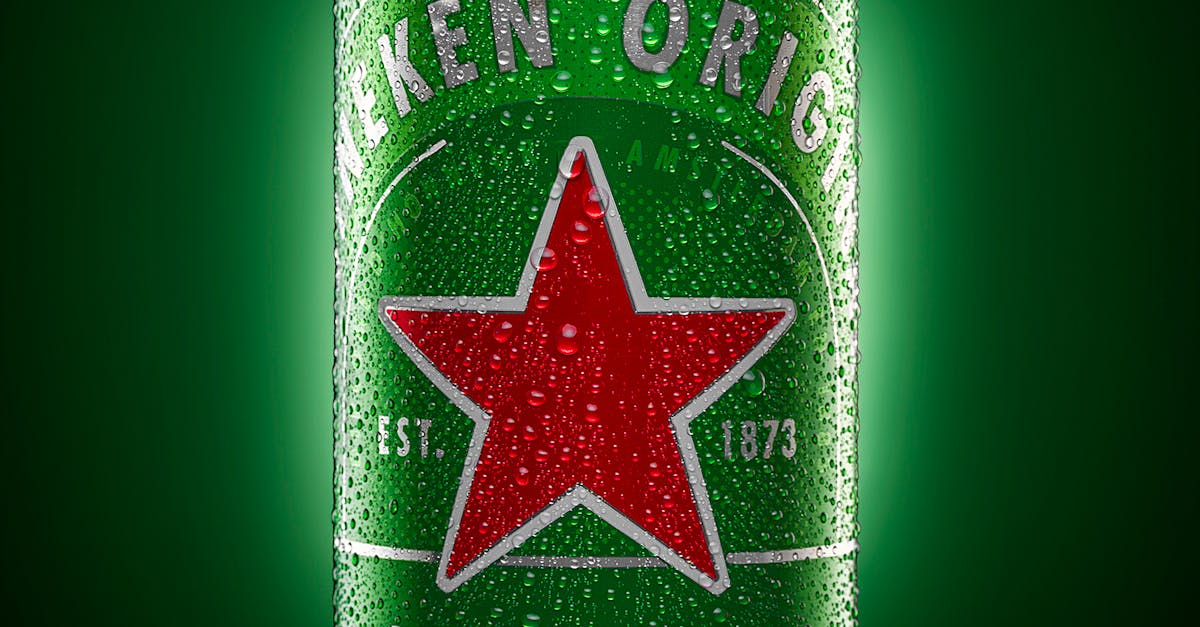
Table Of Contents
Trends in Packaging Design
Sustainable packaging has emerged as a significant trend, driven by increasing consumer awareness and environmental concerns. Brands are now prioritising materials that are recyclable, biodegradable, or made from renewable resources. This shift reflects a broader commitment to corporate social responsibility. Simultaneously, minimalist designs are gaining traction, focusing on simplicity and functionality. This approach not only reduces material usage but also appeals to consumers seeking authenticity and clarity in branding.
Another notable trend is the integration of technology within packaging design. Smart packaging options, such as QR codes and augmented reality features, enhance the consumer experience by linking products to digital content. This innovation allows brands to engage consumers beyond traditional means. Additionally, vibrant colours and bold typography are becoming prevalent, aiming to captivate attention on crowded shelves. These design elements help create a memorable visual identity, fostering brand recognition in competitive markets.
Innovations Shaping the Future of Packaging
The future of packaging is being driven by advancements that prioritise sustainability alongside functionality. Biodegradable materials and plant-based plastics are gaining traction, offering consumers eco-friendly alternatives without compromising product integrity. These innovations not only reduce environmental impact but also resonate with environmentally conscious shoppers seeking to make ethical choices. Additionally, smart packaging technology is becoming increasingly prevalent, featuring QR codes and NFC chips that provide consumers with information about product origins and usage, enhancing transparency and interaction.
Another significant trend is the integration of minimalist design principles aimed at reducing material usage while maintaining aesthetic appeal. Brands are investing in sleek, simple packaging that conveys their message clearly and appeals to modern consumers favouring clean aesthetics. Furthermore, advancements in printing technology allow for vibrant graphics and customised designs that strengthen brand identity and create a lasting impression. As these innovations continue to evolve, they promise to reshape consumer perceptions and experiences in the marketplace.
The Impact of Packaging on Product Shelf Life
Effective packaging serves a vital role in preserving the quality and longevity of products. Various elements, such as materials used and the design of seals, directly impact how well a product resists spoilage and degradation. Innovations in packaging technology, including vacuum sealing and humidity controls, can significantly extend shelf life, ensuring that consumers receive products in optimal condition. Additionally, the choice of packaging materials can influence not only preservation but also environmental sustainability, which is increasingly important to modern consumers.
Understanding the relationship between packaging and product freshness is essential for manufacturers. A well-designed package not only protects the product but also enhances the user experience by providing ease of use and information about storage conditions. For products sensitive to light, air, and moisture, those considerations in design can mean the difference between a product remaining fresh or going stale before its time. By incorporating protective features while maintaining appealing aesthetics, brands can effectively communicate their value proposition to consumers and encourage purchase decisions.
How Design Choices Affect Freshness
The design of packaging plays a crucial role in maintaining the freshness of food products. Features such as airtight seals, moisture barriers, and resealable openings can significantly extend the shelf life of perishables. Packaging materials, including polyethylene and glass, are chosen based on their ability to protect contents from environmental factors. These design choices ensure that products remain unspoiled for longer periods, which is especially important for consumers seeking quality and value.
Visual appeal and functionality are both essential elements in the packaging design process. Innovative designs, such as vacuum-sealed pouches and transparent containers, not only enhance the presentation of products but also serve a practical purpose. By allowing consumers to see the contents, brands instil confidence in the freshness of their offerings. This balance between aesthetics and functionality is crucial in influencing consumer purchasing decisions while emphasising the importance of product integrity.
Emotional Connection Through Packaging
Packaging serves as a silent yet powerful communicator between brands and consumers. Elements like colour, texture, and imagery contribute to a product's initial allure. Bold colours can evoke excitement, while earthy tones may convey sustainability. The material used can also create a tactile experience that reinforces a brand's values. These design choices not only attract attention but also trigger emotional responses that can lead to stronger consumer loyalty. The connection formed during this initial interaction can significantly influence purchasing behaviour.
Storytelling through packaging design plays a crucial role in creating a deeper relationship with consumers. Brands often share their narrative through visuals and messages on their packaging. This storytelling fosters a sense of connection and belonging, making consumers feel part of something greater. In an increasingly competitive market, such emotional ties can differentiate brands from their competitors. Consumers are more likely to remember and choose a product that resonates with them on a personal level. This emotional engagement ultimately drives repeat purchases and encourages brand advocacy.
The Role of Storytelling in Design
Effective packaging design often goes beyond aesthetics; it engages consumers through the power of storytelling. Each element, from colour to typography, can evoke emotions and create a narrative that resonates with the target audience. By incorporating relatable themes or brand origins into packaging, companies can forge a deeper connection with consumers, turning a simple product into part of a larger story. Authenticity becomes key in this approach, as consumers today are more inclined to support brands that share their values and mission through thoughtful design.
Storytelling in packaging can also enhance the perceived value of a product. When consumers feel they are part of a narrative, they are more likely to invest in the product, believing it carries a unique essence. This emotional engagement can differentiate a brand within a crowded marketplace. Packaging that tells a compelling story not only grabs attention but also encourages lasting loyalty, as consumers often seek to align themselves with brands that convey meaning beyond mere functionality.
FAQS
How does packaging design influence consumer purchasing decisions?
Packaging design captures attention and creates an impression, influencing consumers' perceptions of quality and brand value, ultimately impacting their purchasing decisions.
What are some current trends in packaging design?
Current trends include sustainable materials, minimalistic designs, interactive packaging, and the use of vibrant colours to attract consumers and enhance brand identity.
How can packaging design extend a product's shelf life?
Effective packaging design can incorporate materials and technologies that protect products from environmental factors, such as moisture and light, thus extending their shelf life and maintaining freshness.
What role does storytelling play in packaging design?
Storytelling in packaging design helps to create an emotional connection with consumers by conveying the brand’s values, heritage, or the product's journey, making it more memorable and appealing.
Why is emotional connection important in packaging design?
Emotional connections can drive loyalty and preference among consumers, as packaging that resonates on an emotional level can enhance brand recognition and customer engagement, leading to repeat purchases.
Related Links
Aligning Packaging Design with Brand Values in SydneyTrends in Eco-Friendly Packaging Design in Australia
Essential Elements of Successful Packaging Design
The Evolution of Packaging Designs in the Australian Market
Creative Typography Techniques for Packaging in Sydney